

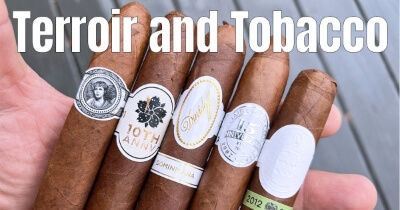
In the world of cigars, the concept of terroir, a French term traditionally associated with wine, is gaining traction as enthusiasts probe deeper into the intricacies of the cigar experience. Terroir refers to the unique combination of environmental factors — soil, climate, topography, and even the culture of a region — that influences the characteristics of tobacco crops. Understanding the role of terroir in cigar flavor is essential for appreciating the diverse and nuanced profiles that different regions can impart to tobacco.
Click here to learn how to pronounce terroir.
Soil Composition
The complexity of soil composition creates a spectrum of flavors unique to each terroir. Different minerals, nutrients, rock content, drainage, and pH levels in the soil can affect the tobacco plant. For example, Nicaragua is known for its Volcanoes and pockets of rich soil the eruptions deposited over time. And some of the best fields in the Dominican Republic are closest to the northern mountain range where drainage is naturally managed.
And we can never forget Henke Kelner’s incredible journey into the Yamasa municipality of the Dominican Republic, forging a new growing region after more than 20 years of meticulous work to painstakingly change the soil composition.
Climate and Microclimates
Climate, both on a macro and micro level, also significantly impacts the growth and maturation of tobacco plants. Warm temperatures and consistent sunlight are generally favorable for tobacco cultivation, but the specific nuances of temperature fluctuations and seasonal variations contribute to the development of flavors. The interaction between temperature, humidity, and sunlight during the growing season influences the sugar and nicotine content in the leaves, ultimately shaping the taste and aroma of the tobacco. One of the most impressive feats a cigar brand can hope to accomplish is maintaining consistent blends year in and year out with a constantly changing climate.

Click the image above to read more
Microclimates within larger tobacco-producing regions add another layer of complexity. For instance, the variation in temperature and humidity between valleys and hillsides can result in distinct flavor profiles within the same geographic area. This interplay between macro and microclimates allows for a complex array of flavors that keep enthusiasts exploring the diverse offerings from different regions.
Topography and Altitude
The altitude at which tobacco is grown can have a profound impact on its flavor. Higher altitudes often mean cooler temperatures and increased sun exposure, influencing the plant's development and the composition of its leaves. Yet in Ecuador, where the mean elevation above sea level is almost 1120 meters, tobacco grows in near constant cloud cover and humid conditions.
Topography also plays a role, as the positioning of tobacco fields on slopes or plains affects factors such as water drainage and mineral deposits. These subtle variations contribute to the unique characteristics of tobacco crops grown in different regions.
Cultural Practices
Beyond environmental factors, cultural practices employed by local farmers contribute to the terroir of cigars. Traditional cultivation methods, harvesting techniques, and curing processes are often passed down through generations, creating a cultural imprint on the tobacco.
For instance, broadleaf tobacco harvested in Connecticut is almost always stalk-cut (chopped once and taken to the curing barn) to my knowledge whereas tobacco harvested in Nicaragua, Honduras, and the Dominican Republic are often primed. Depending on the varietal, a row of leaves is harvested between periods of time working from the bottom up. This allows the plant to focus its energy on the higher priming leaves, concentrating the oils and flavor in the uppermost leaves. When you hear terms like volado, seco, viso, ligero, and medio tiempo, those terms coincide with the priming levels from the lowest to highest placement on the plant.
Click the image above to read more
And there are incredible differences in how different factories treat the tobacco once it has been harvested. At a very low level, a common distinction that I noted in Nicaragua was how many places varied in the method used to rehydrate tobacco before it was rolled. And if you drive around the U.S., you’ll see various devices used to control the heat and humidity in the barns while the leaves cure.
It's easy to leave cultural practices out of a terroir discussion, but the mark it leaves on a cigar experience is inescapable. The human touch is often guided by tradition and affects everything from the seed and land selection to the growing techniques to the fermentation and aging practices to the blending process.


Leave your comment