


We’re often asked about cigar sizes (vitolas) and the differences between say, a Corona and a Toro. Specifically, our inquisitive friends are curious about whether or not it matters which cigar size they buy.
Today we’ll be talking about the three main differences between larger and smaller cigar sizes: blending, taste, and handling.
Blending for Cigar Sizes
One often overlooked fact when discussing cigar size is that each and every vitola has to be blended separately. For example, if a brand wants to introduce seven sizes of a new cigar, each size has to be reworked because the original formula for a Toro won’t work for a Churchill.
It isn’t as simple as reducing the amount of filler tobacco and calling it a day.
Some may prefer to blend each cigar size to taste universal, but that’s often harder to do than most people realize. Instead, it’s common to embrace the differences and broaden your audience by blending unique experiences for each size. We call these micro-blends.
Part of what makes the blending process harder is that smaller ring gauges burn faster and hotter than larger ring gauges. That means that the blender will have to reconfigure the recipe (or in some cases make substitutions) to achieve the optimal combustion for a proper smoking experience.
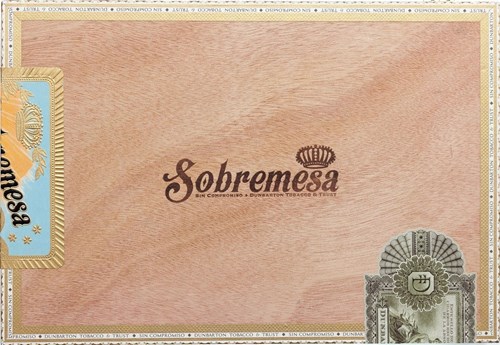
You might recall Steve Saka’s Sobremesa debut a couple years ago. Steve was outspoken that he intentionally tweaked the blends of the smaller sizes to offer a more in-your-face experience. And, realistically, his decision played to the crowd of both small and large ring gauge smokers: small ring gauge enthusiasts tend to expect a bit more punch.
But if you look at the specs for the initial sizes of Sobremesa, they read the same on paper. This is because a Master Blender like Steve has more tools at his disposal than just the name and source of the leaf. Everything from the priming selection to fermentation and aging allows him to make changes in his blend.
Cigar Sizes and Taste
This is the most common question that we receive in regards to cigar sizes: does it taste different? The short answer is yes. The ring gauge, cap style, cutting preference, and length of a cigar may change the flavor profile due to the blend itself being altered, smoke concentration, and overall combustion.
We always suggest that you try a Sampler of a new cigar to see which one strikes your fancy. A best practice is to avoid having a favorite size and to let each micro-blend speak to you before deciding which one gets your full attention.

For example, Bob usually prefers the Corona Gorda size. We like Bob because Bob likes cigars. Bob bought a sampler of the new Serino Wayfarer and, after smoking all of them, decided that he likes The 109 size the most.
Not only was The 109 tweaked for more length and a larger ring gauge out of necessity, it also features a 109 cap (A.K.A. bullet cap). It’s quite possible that Bob appreciates some of the subtle nuances in The 109 over one of the other sizes, or maybe he likes having more control over the draw with that style of cap.
Handling Different Cigar Sizes
Which brings us to handling and preference. Different cigar sizes will feel different in your hand and mouth (naturally) and can make or break a cigar experience. Or it could come down to the smoking mechanics for you personally.
Specifically, box-pressed cigars, lanceros, 60+ ring gauge monsters, and figurados feel different and may demand more attention:
- Box-pressed cigars usually have a looser draw and don't burn as evenly
- Lanceros generally require a slower smoking pace
- 60+ ring gauge cigars may be uncomfortable for some
- Figurados with a tapered head tend to have more intense flavors
- Figurados with a tapered foot sometimes require patience to get started
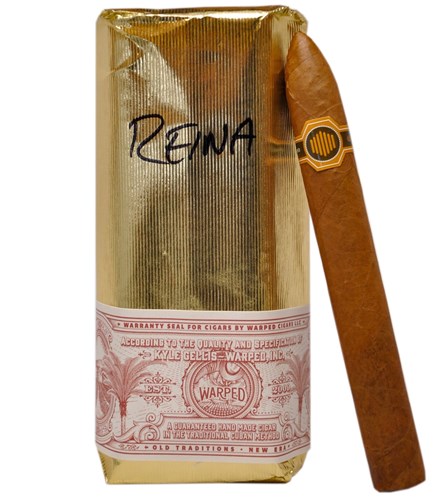
Another thing to consider is that some cigar sizes are restricted to a select group of rollers in most cigar factories. Lanceros and figurados require more skill and are generally reserved for specialists, such as Jose at El Titan de Bronze. Jose is the only roller at El Titan able to craft the Belicoso size like with the Warped La Colmena Unico Especiales, La Colmena Reina, and Black Honey.


Comments